


IECR
Researching the behaviours that shape our communities.
Our mission
To give government and local authorities the evidence they need to fix the everyday problems of Britain’s shared spaces and foster greater levels of civic engagement.
IECR is an independent, non-profit research organisation focused on understanding the causes of behaviours that blight communities and how authorities can intervene to make them better places to live. We address issues such as littering, fly-tipping and broader civil disobedience, using the latest methods in data and social science.
Litter and neglect are worst in the most deprived neighbourhoods, where incomes, health and educational attainment lag furthest behind. That does not mean people there care less: neighbours help one another as much there as anywhere. We look behind the behaviour at the social conditions that drive it, so that policy can tackle causes as well as symptoms.

Why we’re here
Our shared spaces show how much everyday life has changed.
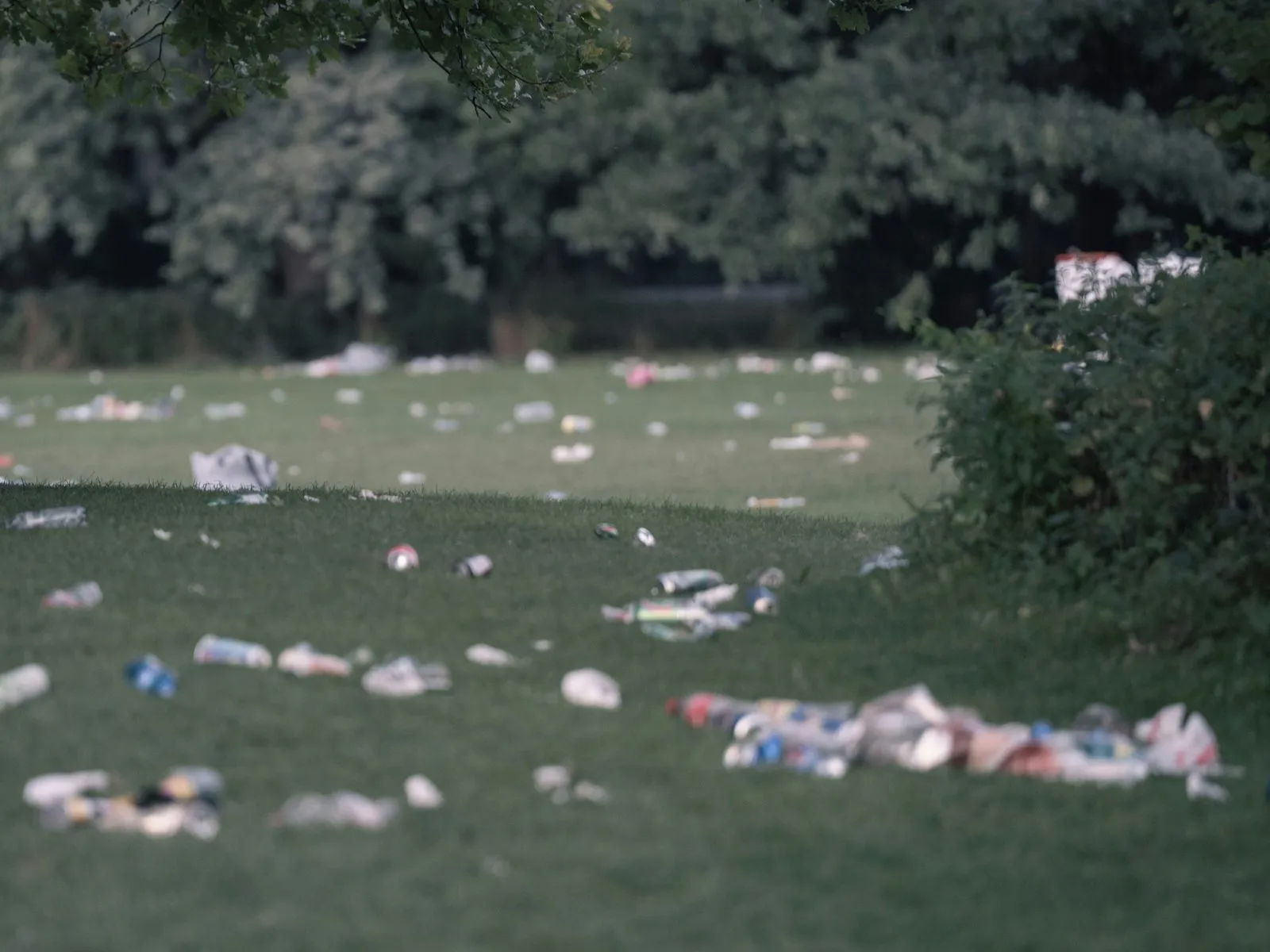
The way we live and work has changed hugely in one generation. We eat and drink a lot more on the move, order almost anything to the door in 24 hours, access cheap goods used once and then discarded, and travel around on e-bikes and scooters. Streets are full of packaging, roadsides are used as dumping grounds, and disposable vapes and nitrous oxide canisters are discarded in parks, with children consuming products never designed for them.
At the same time, the habits that once held communities together are fading. Fewer people volunteer than a decade ago, fewer give to charity. Only 11% of adults think their local area has improved in the last two years. Those habits are weakest where disadvantage is greatest. In the most deprived neighbourhoods, people are half as likely as those in the least deprived to volunteer with a group or club every month, or to be proud of where they live, and adults with no qualifications are half as likely as graduates to take part in civic life.
Problems like these sit in an awkward place: too small and complex for national attention and too diffuse for any single council to solve. IECR’s role is to be the centre of knowledge on solutions to these problems and to bring about effective, positive change at local and national levels.
- Volunteering
- 17%
- of adults volunteer with a group or club every month, down from 27% in 2013/14.
- Giving
- 67%
- gave money to charity in the past four weeks, down from 82% in 2013/14.
- Pride in place
- 38%
- of people in the most deprived neighbourhoods are proud to live there, against 79% in the least deprived.
- Litter and deprivation
- 2.8×
- as much drinks and food litter in the most deprived fifth of areas as in the least deprived.
Why it matters
Local streets are a voting issue, and few of the fixes on offer have been properly evaluated.
Ahead of England’s May 2026 local elections, more than half of adults in the areas voting said the condition of streets, roads and pavements would be very important to their vote, and among over-55s no issue was cited more often. Most people think litter is getting worse, and parties across the political spectrum have answered with tougher fines, vehicle seizures and penalty points. Few of these measures have been rigorously evaluated.
- Local elections
- 53%
- of adults in English council areas with May 2026 elections said the condition of streets, roads and pavements would be very important to their vote, more than said so of housing or climate change.
- Over-55s
- 67%
- of over-55s said the condition of streets, roads and pavements would be very important to their vote. No issue was cited more often.
- Litter
- 77%
- of adults in England think litter has become more of a problem in recent years.
The missing What Works Centre
Government relies on independent What Works Centres to tell it which interventions work, from education to policing. None covers the behaviour that shapes our shared spaces.
- EducationEducation Endowment Foundation
- Health and careNational Institute for Health and Care Excellence
- Crime reductionCollege of Policing
- Local growthWhat Works Centre for Local Economic Growth
- Youth employmentYouth Futures Foundation
- HomelessnessCentre for Homelessness Impact
- Children and familiesFoundations
- Later lifeCentre for Ageing Better
- WalesWales Centre for Public Policy
- Civic and environmental behaviourNo centreThe gap IECR is being set up to fill.
Evidence-led policies
Policy interventions work only with an evidence base to support them.
We work with national and local authorities to understand which policies are most effective in changing behaviour to improve communities and the local environment. We study the effectiveness of taxes, fines and enforcement to discourage littering and fly-tipping, and the benefits of positive messaging to change behaviour. We also work with the corporate sector to understand how producers and retailers can better educate and reinforce positive social engagement.
46% to 11%
13% fewer deaths
- 13 in every 100 alcohol-specific deaths no longer happen
- 87 in every 100 still do
98% fewer bags
- 98 in every 100 single-use bags are no longer handed out
- 2 in every 100 still are
What we’ll be working on
Three research areas, each where environmental and social problems meet.
Our research spans multiple areas including:
Environment
Litter and the neglect of shared spaces.
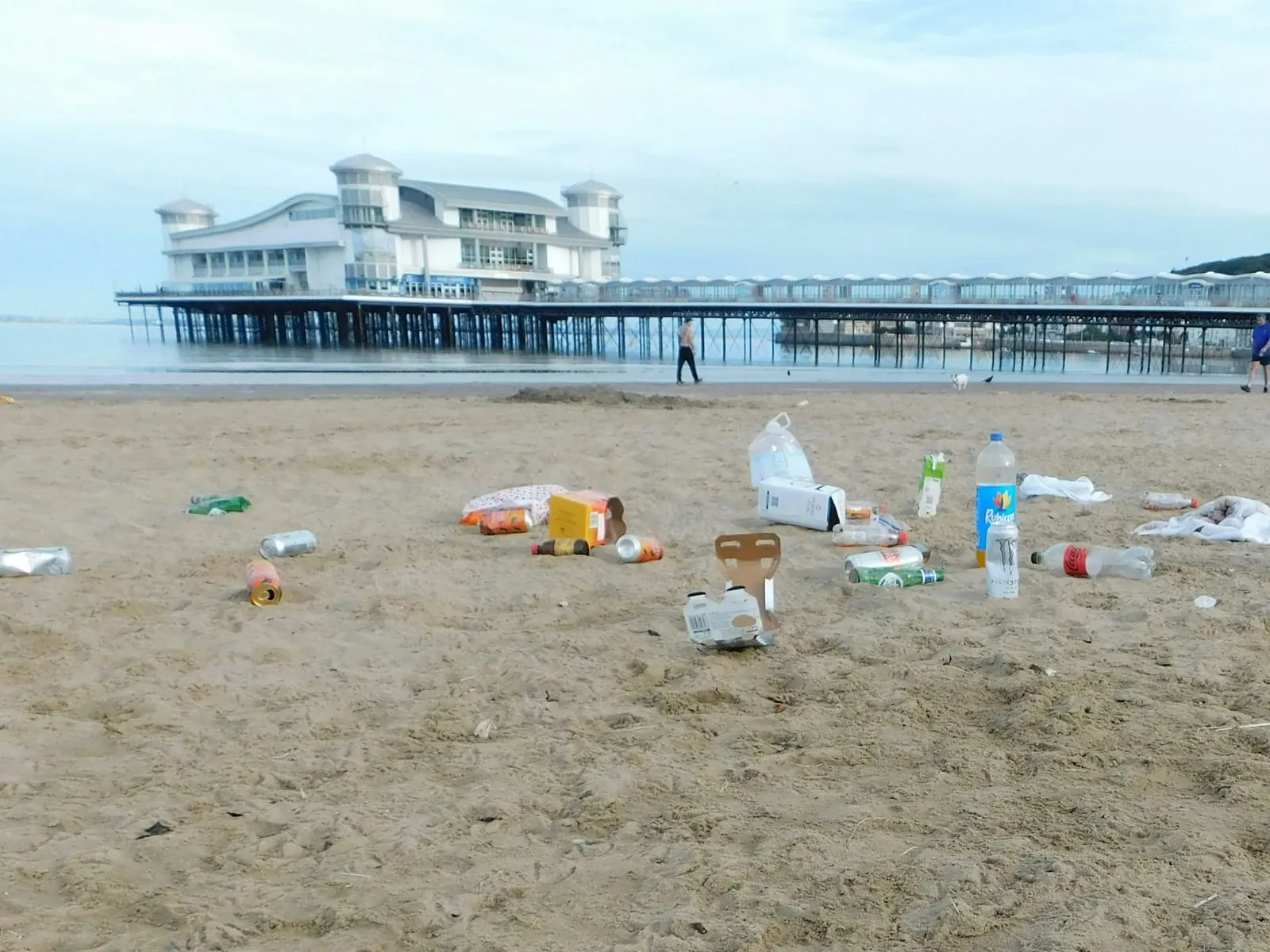
Litter, fly-tipping, disposable vapes, nitrous oxide and neighbourhood noise.

Society and health
How new habits and new work change how people live.
What England’s under-16 sales ban will do to energy drink consumption, and how gig economy work affects wellbeing. Energy drinks are linked to poor sleep and lower school performance.

Public bodies
Why some councils get results where others don’t.
How the structure and incentives of public bodies shape their performance.
Research pipeline
An early study, then three priority programmes, each described in full on the About page.
Scroll sideways for the full pipeline

How we work
Four strands, from diagnosis to measures a department can pick up.
We build a project team around each question, working with academics, councils, other NGOs and the public, through surveys and citizen science. The results come out as reports, media work and events, both in person and online.
Click a strand to read more. Evaluation feeds back into diagnosis: policies that are never evaluated tend to be repeated whether they work or not.
Want to work with us, fund us, or write about us?
Get in touch